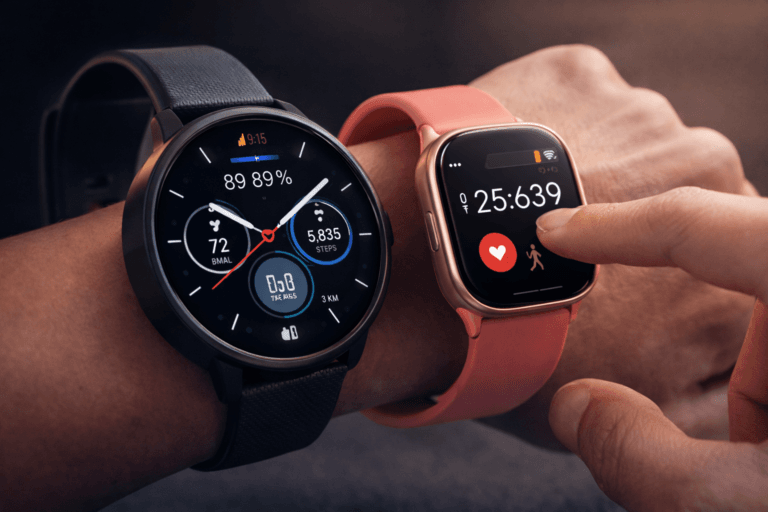
Smartwatches have emerged as one of the most competitive segments in consumer technology, and 2026 marks a turning point for the category. This year’s latest smartwatch releases focus less on flashy features and more on refinement, usability, and long-term comfort.
Manufacturers are clearly responding to user feedback. Bulky designs and short battery life have long been common complaints, and new models introduced this year aim to address both issues. Many smartwatches now feature slimmer profiles, lighter materials, and displays that are easier to read in all lighting conditions.
Battery life has seen significant improvements. While earlier generations often required daily charging, newer smartwatches can now last several days — and in some cases over a week — on a single charge. This improvement is achieved through more efficient processors, optimized software, and smarter power management.
Design trends are also shifting. Round dials and minimalist aesthetics are making a comeback, appealing to users who prefer traditional watch styling. Manufacturers are offering interchangeable straps and neutral color options, making smartwatches suitable for both casual and professional settings.
Health and wellness tracking remains a major focus. Modern smartwatches now provide advanced sleep analysis, heart rate variability tracking, stress monitoring, and activity insights. These features are presented in a more user-friendly manner, helping users understand their health without overwhelming them with data.
Another important development is the growing separation between productivity and wellness features. Instead of pushing constant notifications, many smartwatches now encourage mindful usage. Users can customize alerts, reduce distractions, and focus on fitness and well-being rather than constant connectivity.
Software improvements play a crucial role in this evolution. Interfaces are becoming cleaner, faster, and easier to navigate. Voice controls are more reliable, and gesture-based interactions are being refined to reduce the need for touch input.
The smartwatch market in 2026 reflects maturity rather than experimentation. Manufacturers are no longer trying to reinvent the category, but to perfect it. The result is a generation of wearables that feel less like gadgets and more like everyday companions.
As consumers continue to prioritize health, balance, and convenience, smartwatches are positioning themselves as essential tools rather than optional accessories.
Read other such interesting post
Next-Generation Laptops and PCs Embrace Built-In Artificial Intelligence